
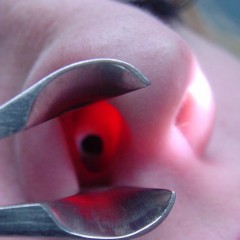
Possible Complications of Deviated Septum Surgery
Deviated septum is a medical condition that is characterized with a nasal septum deviation. Ideally, both left and right nostrils are equally separated by the nasal septum (thin cartilage that is centrally located in the nose). However, in cases of deviated septum, one nostril is smaller than the other nostril, due to the deviation of the nasal septum to one side. If the deviated septum is severe, it can cause breathing problems and...

Deviated Septum and Ear Infections
When the nose’s nostrils (left and right) are not equally separated due to a crooked or deviated nasal septum, then that condition is referred to deviated septum or nasal septum deviation. Normally, the nasal septum is located centrally and divides both right and left nostrils equally. Usually, deviated septum does not produce and symptoms, however, when the case of deviated septum is already severe, which can have effects on a...
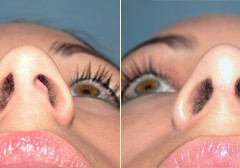
Benefits of Correcting Your Deviated Septum
Deviated septum or nasal septum deviation, according to Mayo Clinic website, is a medical condition that occurs when the nasal septum (thin cartilage that separates the left nostril from the right nostril) is displaced to one side of the nostril. Ideally, the nasal septum divides both nostrils equally, but in cases of deviated septum, one nostril is bigger, while the other nostril is narrower. In most people suffering from deviated...

Symptoms of Deviated Septum and Sleep Apnea
According to the American Academy of Otolaryngology, approximately 80% of the whole population is suffering or have a deviated septum. However, not everyone in the said 80% know that they are suffering from deviated septum, not unless they will exhibit or experience various signs and symptoms. Deviated septum is a condition wherein the nasal septum (cartilage separating the right nostril from the left nostril equally) is displaced to...

Weight Loss to Improve Deviated Septum Symptoms
According to Mayo Clinic website, deviated septum is a medical condition that is characterized by a displacement of the nasal septum (thin wall that separates the left nostril from the ride) to one side. Normally, the nasal septum is centrally located in the nose, which can separate both sides of the nostrils equally. However, in people with deviated septum, the nasal septum becomes crooked, making the passage of one side of the...

Alternatives to Deviated Septum Surgery
Deviated septum is a common medical condition characterized by a shift of the nasal septum (thin wall separating the right and left nostril) to one side, which is suffered from a lot of people all over the world. In fact, most people who are suffering from deviated septum are not aware of their conditions. Only severe cases of deviated septum are usually known, wherein there are already symptoms manifested by patients related to...

How Do You Know If You Have a Deviated Septum?
A deviated septum is a medical term referred to a displacement of the nasal septum (thin wall between the right nostril and left nostril) to one side. Ideally, the nasal septum separates both nostrils equally. However, in deviated septum, one nasal passage or nostril is smaller than the other side. People with Deviated Septum There are no symptoms in many cases of deviated septum. In fact, there are a lot of people suffering from...

Deviated Septum Surgery Information and Recovery Time
Deviated septum is a common nasal problem with a deviation or shift of the nasal septum (comprises of 2 bones and a cartilage separating the right nostril from the left nostril). In deviated septum, the nasal septum looks crooked and is not completely located centrally. Deviated septum may be a congenital disorder and is present at birth, or it may be acquired later in life. Sometimes, new born babies can get deviated septum due to...

Side Effects of Deviated Septum Surgery
Deviated septum is the medical term referring to a shift of the nasal septum from the center position (cartilage the separates the right and left nostril). There are times that a deviated septum does not cause symptoms that can affect a person’s daily life, however, there are also times that a deviated septum needs to be treated, since it can cause problems to the daily life, such as sleep apnea and difficulty in breathing through the...

Broken Nose Can Cause Deviated Septum
Broken nose or nasal fracture can cause deviated septum when left untreated. According to Mayo Clinic website, the term nasal fracture is referred to a crack or break in any of the bones in the nose, as a result of a trauma or accident. Symptoms of a nasal fracture include nose tenderness, crooked nose, epistaxis or nosebleeds, and runny nose. Aside from those mentioned symptoms of a broken nose, it can also lead to nasal swelling,...

Cleaning the Nose after Deviated Septum Surgery
Cleaning the nose post deviated septum surgery must be done with utmost care. In fact, cleaning after any type of surgery should be done with utmost care, even if it is not deviated septum surgery. Cleaning the nose after the surgery is very important, since patient’s post operation are at a very high risk for acquiring infection. Doctors will prescribe anti-bacterial medications to help in preventing infection and speed up healing...


