

Risks of Non-Surgical Rhinoplasty
Even though non-surgical rhinoplasty is not like the conventional or common type of rhinoplasty, the surgical rhinoplasty, it still has risks involved. As the name suggests, “non-surgical rhinoplasty”, not even a single excision is made to the nose during the procedure. Dermal fillers are used in non-surgical rhinoplasty, which are introduced to the nose through injections. In the traditional surgical rhinoplasty, certain areas of the...

Liquid Silicone for Non-Surgical Rhinoplasty
Non-surgical rhinoplasty or non-surgical nose job is one of the 3 types of rhinoplasties that can be an alternative to the usual surgical nose job. Dermal fillers are used in non-surgical rhinoplasty, instead of inserting actual implants to the nose to make the nose look better. Non-surgical rhinoplasty can’t provide permanent effects, unlike surgical rhinoplasty. Dermal fillers are only injected in certain areas of the patient’s nose...

Artefill Dermal Filler for Non-Surgical Rhinoplasty
Non-surgical rhinoplasty or non-surgical nose job is one of the 3 types of rhinoplasties that do not involve any incisions or any cuts of any kind all throughout the medical procedure. This type of rhinoplasty is way cheaper and less painful to the patient. Many patients opt to undergo non-surgical rhinoplasty than closed rhinoplasty or open rhinopasty (both surgical rhinoplasties). Since non-surgical rhinoplasty does not involve any...

Calcium Hydroxylapatite-Based Fillers for Non-Surgical Rhinoplasty
There are several different types of dermal fillers that are not only used in non-surgical rhinoplasty, but also in other cosmetic surgical procedures. It is up to the surgeon’s discretion up to which type of dermal filler material will the patient most benefit from. Before the doctor will be able to reach or finally decide up to which dermal filler will be used during non-surgical rhinoplasty, the surgeon will first discuss and weigh...

Hyaluronic Acid-Based Fillers for Non-Surgical Rhinoplasty
Rhinoplasty or nose job as others call it has 3 different approaches on how it is done, the open rhinoplasty, closed rhinoplasty, and the non-surgical rhinolpasty. In non-surgical rhinoplasty, as its name suggests, it does not involve any incisions or any cuts all throughout the procedure. The non-surgical rhinoplasty can be very beneficial to those people who wish to get a nose job but are too scared to go under the knife. Instead of...

10 Things You Need to Know about Non-Surgical Rhinoplasty
If you are wondering if you can get a nose job without getting under the knife, then the answer is YES. The non-surgical rhinoplasty is one of the 3 types of rhinoplasties that can be done without doing any incisions of any kind to your nose. This type of rhinoplasty usually costs less than surgical rhinoplasties (closed rhinoplasty and open rhinoplasty) and it does not cause as much pain as other types of rhinoplasty can....

3 Tips on How to Reduce Nasal Tip Swelling
Nasal tip swelling is one of the most common effects after getting a rhinoplasty, regardless which among the 3 types of rhinoplasties you had. Although nasal tip swelling will not be present forever, it can last or it can stay for several months even up to 1 year and it can be very stressful when nasal tip swelling is still present. There are several natural methods or ways that can help in reducing nasal tip swelling quickly. Natural...

Nasal Tip Swelling Post Rhinoplasty
Rhinoplasty, also known as a nose job, is a medical procedure that is done to reshape the nose. There are several reasons why a person needs to undergo rhinoplasty. It may be due to a deviated septum, nose injury, and other deformities of the nose. However, the most common reasons why a person wants or needs to get a rhinoplasty is because of cosmetic purposes. After rhinoplasty, the nose can look straighter, longer, and even small in...

Non-Surgical Rhinoplasty
Non-surgical rhinoplasty is just one of the 3 types of rhinoplasty. In non-surgical rhinoplasty, as the name suggests, there are no incisions of any kind that needs to be performed to perform corrective procedures to the nose. The non-surgical rhinoplasty has its own share of benefits as well as disadvantages. Many people opt for non-surgical rhinoplasty, since this type of procedure is less costly compared to other types of...

Causes of Nasal Scarring
There are a lot of possible causes of nasal scarring. However, all possible causes of nasal scarring have something to do with an injury to the nose. In severe cases of nasal scarring, it can cause symptoms that can affect a person’s normal breathing pattern and nasal scarring can also affect a person’s olfactory senses or worse, there will be a total loss of the olfactory sense. Good thing about nasal scarring is that it can be...

3 Types of Rhinoplasties
Rhinoplasty also know as nose job is a type of nose surgery that is done to correct the shape and other undesirable abnormal nose’s profile, which can be caused by a deviated septum, nose injury, and many more. However, the most common reasons why a person wants to get a rhinoplasty are because of cosmetic purposes. In rhinoplasty, there are generally two different types when it comes to the way on how the incisions are made, the...

How to Recover from Nose Surgery Quickly
There are a lot of different factors that can make a person a candidate for nose surgery. Deviated septum can be one of the most common factors for deviated septum surgery or septoplasty or even rhinoplasty. Rhinoplasty is one type of nose surgery that is done to insert a transplant to the nose, which can improve its nose shape. Rhinoplasty is one nose surgery that is usually done for cosmetic purposes. After undergoing a nose...

Tips on How to Recover from Rhinoplasty
One of the most common plastic surgeries these days is rhinoplasty, commonly known as a nose job. There are a lot of different reasons why some people get rhinoplasty or a nose job. Some people who sustained facial injuries that damaged their nose’s structure get a nose job to help prevent or get rid of breathing problems. However, one of the most common reasons why many people get a nose job is because of cosmetic purposes. Another...
What is Closed Rhinoplasty?
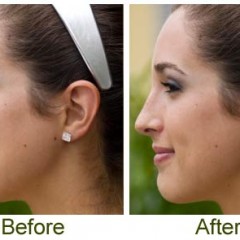
Closed rhinoplasty is a kind of rhinoplasty that does not involve any incisions outside the nose. Incisions in a closed rhinoplasty is made inside the nose. When rhinoplasty is performed by incising both inside and outside the nose, that is called an external rhinoplasty. Closed rhinoplasty, also known as endonasal rhinoplasty is more difficult to perform than external rhinoplasty. However, closed rhinoplasty can ensure scars not to...

Deviated Septum Surgery and Turbinate Reduction
The most effective treatment to correct a deviated septum is septoplasty which is also known as deviated septum surgery. Not all cases of deviated septum are required to undergo septoplasty. Only those cases that cause breathing problems and other symptoms, such as nosebleeds, recurrent nasal infections, ear infections, headaches, nasal congestion, and nasal tenderness. Deviated septum is a condition in which the nasal septum (thin...
Factors that Can Affect Septoplasty Recovery Time
Septoplasty is a surgical procedure also known as deviated septum surgery that is done to help in correcting a deviated septum. Deviated septum is a condition in which the nasal septum, the thin cartilage separating both nostrils equally, is deviated to one side, making one nostril narrower than the other nostril. Not all cases of deviated septum require deviated septum surgery. Only those deviated septum cases that cause symptoms,...

Getting Back Into Shape after Deviated Septum Surgery
Deviated septum surgery is not recommended for all cases of deviated septum. More than half of all people suffering from deviated septum are asymptomatic and they usually do not know that they are already suffering from deviated septum. Deviated septum surgery is also called septoplasty will only be needed if the deviated septum causes symptoms, such as difficulty breathing through the nose, recurrent nasal infections, ear infections,...

Exercising Post Deviated Septum Surgery
Deviated septum surgery, also known as septoplasty is a surgical procedure that is done to correct a deviated septum. Deviated septum is a condition in which the nasal septum (thin cartilage separating the left and right nostrils equally) is deviated into the one side of the nose, making one nostril narrower than the other. Usually, deviated septum does not require any surgical corrections, since it does not cause any signs and...
Risk for Infection in Deviated Septum Surgery
The most effective treatment considered in correcting a deviated septum is deviated septum surgery or septoplasty. However, not all people who have deviated septum are recommended or advised to go under deviated septum surgery. Deviated septum is a condition wherein the nasal septum (cartilage separating the left and right nostrils equally) is deviated to one side), making it crooked. Most cases of deviated septum does not cause any...

Signs and Symptoms of a Broken Nose
One of the most common facial fractures is a broken nose or nasal fracture. Nasal fracture can be caused by a physical trauma to the face, which may be due to physical fights, vehicular accidents, from contact sports, and other situations that can hit the face or nose hard. A broken nose will really hurt and it will usually bleed and swell. However, not all signs and symptoms of a broken nose or nasal fracture can appear immediately....


