
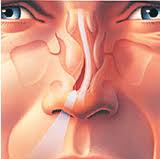
Does Deviated Septum Surgery Cure Sleep Apnea
Deviated Septum – A Major Cause Of Sleep Apnea Deviated septum is a medical condition in which the bone and the cartilage that is responsible for dividing the nasal cavity of the nostril is considerably skewed or warped giving breathing difficulty. Most people suffer from this sort of unevenness and face breathing problems because of narrow passage in one or the other side of the nostril. Studies have shown that almost 75% of people...

Cleaning the Nose after Deviated Septum Surgery
Cleaning the nose post deviated septum surgery must be done with utmost care. In fact, cleaning after any type of surgery should be done with utmost care, even if it is not deviated septum surgery. Cleaning the nose after the surgery is very important, since patient’s post operation are at a very high risk for acquiring infection. Doctors will prescribe anti-bacterial medications to help in preventing infection and speed up healing...

Purpose of the Nasal Septum | Deviated Septum
The nasal septum (which when deviated is known as a deviated septum) is the part of the nose which supports, separates both the nostrils into two equal halves. When this septum is deviated for any reason, the condition is known as a deviated septum. Purpose of the Septum and the Disruption Caused by a Deviated Septum The major functions performed by the nasal septum are: Support: The primary function of the nasal septum is to support...

Anaesthesia Risks in Septoplasty
Anaesthesia risks in septoplasty while uncommon are present.In this article I will try to give you knowledge on the various risks of anaesthesia. Septoplasty is a surgery done in order to remove any deviation of the nasal septum. Since septoplasty is a major open surgery, it comes with its own set of risks. But not many people known that the anaesthesia used in surgery can also cause problems. Before understanding the risks of...

Are you suffering from Apnea Deviated Septum?
Apnea Deviated Septum is a combination of the words Sleep apnea & Deviated Septum. Though science is yet to prove it, some doctors in the medical community think that a specific type of sleep apnea may be the result of a deviated septum. What is Sleep Apnea? Sleep apnea is a dangerous medical condition wherein you will stop breathing multiple times in a single night. This condition can cause conditions such as: Blood pressure...

Effect of a Deviated Septum on the Eyes
Wondering about the effect of a deviated septum on the eyes? Read on to understand the effects caused by a deviated septum. The nasal septum is the bony material which will separate your nose into two equal halves, this will allow for smooth breathing. If this septum is deviated severely in one direction or both, the condition is known as a deviated septum. A deviated septum can be caused due to the following: Trauma to the face Birth...

Headaches Triggered by a Deviated Septum
Different types of headaches can be triggered by a deviated septum based on the amount of deviation and your general fitness. The nasal septum’s main function is to divide the nose into two equal halves to allow for optimum and smooth flow of air into the lungs. If you suffer any trauma to the nose in an accident then your nasal septum may shift from the midline and become deviated. A deviated septum will not allow for smooth...

Is your Snoring Due to a Deviated Septum?
Snoring is a medical condition where due to any obstruction in the air passageway as the respiratory system works, vibrations will be produced, these vibrations are the snores that you hear. Causes of Snoring Snoring can be caused due to a large number of reasons such as: Narrowing of the airway Throat weakness Gathering of fat around the throat Relaxants Sleeping on the back Obstruction of any kind Connection between a Deviated...

Deviated Septum Surgery | Septoplasty Recovery
If you are planning on undergoing deviated septum surgery and are wondering about the septoplasty recovery after the surgery, then read on. Deviated septum surgery or septoplasty is an operation done to correct any deviation of your nasal septum. Like any surgery, septoplasty has its share of risks. The procedure usually costs around 1500$-2000$. But first, some basic points on the deviated septum. What is a Deviated Septum? A...
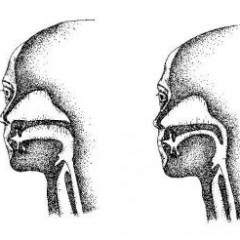
Disadvantages of Breathing from Your Mouth & a Deviated Nasal Septum
A deviated nasal septum will cause many symptoms such as: Severe congestion Headaches Nose bleeds Recurring sinus infections Of all the above conditions, a severe nasal congestion is the most common. This causes most people who suffer from a deviated septum to breathe from their mouths. Disadvantages of Breathing through your Mouth If you are forced to breathe through your mouth because of a deviated septum, then you may suffer from...

Classification & Types of Deviated Septums
What is a Deviated Septum? A deviated septum is a condition where in the nasal septum deviates in one direction. Usually the deviation is very small and no treatment is required. However if the deviation is severe the deviated septum causes various symptoms such as congestion, sinus infections and nose bleeds. Ever Wondered How Many Types of Deviated Septum are Present? If you have, then this article will give you all of the necessary...

Homeopathy & Deviated Nasal Septum
If you have a deviated septum you may suffer from any of the following conditions: Nose bleeds Congestion Recurring sinus infections Snoring Headaches Currently the best treatment available for this condition which most doctors will suggest is septoplasty. Septoplasty is a surgical method, where the deviated part of the septum is cut off and removed. This will usually clear all of the above mentioned conditions. However there are many...

Septoplasty Surgery Instructions
What is a Septoplasty? A septoplasty is a surgical procedure to correct a deviated (or crooked) septum. The nasal septum is the separating wall between the two nostrils. This is made up of cartilage and bone. A septoplasty is recommended to fix a deformed septum or to correct irregular air flow often times caused by a deviated septum. A deviated septum can make it difficult to breathe through your nose and can contribute to sinus...
Deviated Septum and Septoplasty
The shape of your nasal cavity could be the cause of chronic sinusitis. The nasal septum is the wall dividing the nasal cavity into halves; it is composed of a central supporting skeleton covered on each side by mucous membrane. The front portion of this natural partition is a firm but bendable structure made mostly of cartilage and is covered by skin that has a substantial supply of blood vessels. The ideal nasal septum is exactly...


